


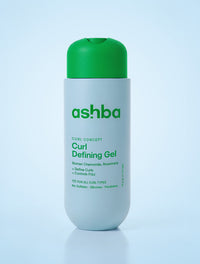
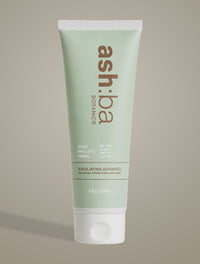
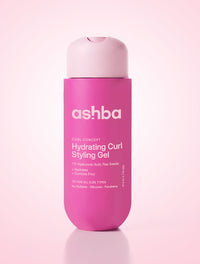
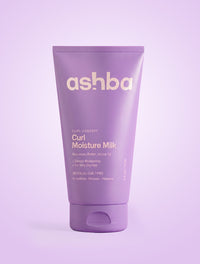

When it comes to hair texture, there's a wide spectrum that ranges from poker-straight to tight coils. Curly and wavy hair are two distinct categories within this spectrum, and each has its unique characteristics. In this blog, we'll delve into the differences between these two hair types, helping you better understand and care for your locks.
Curl Pattern
One of the most significant differences between curly and wavy hair is the curl pattern itself:
Wavy hair falls into the Type 2 category on the curl spectrum. It typically has gentle, S-shaped waves that may vary in size and intensity. Waves can be loose (2A), medium (2B), or defined (2C), depending on the individual.
Curly hair encompasses Types 3 and 4 on the curl spectrum. Type 3 curls form ringlets or corkscrew shapes. These curls can range from loose (3A) to tight (3C). Type 4 hair, on the other hand, consists of coils with a zig-zag pattern, with subcategories (4A, 4B, 4C) for varying textures.
Get wavy hair products at here
Hair Diameter
Another distinction lies in the thickness or diameter of individual hair strands:
Generally, wavy hair tends to have a medium to fine diameter. This can give wavy hair a sleek and smooth appearance, making it more prone to oiliness.
Curly hair typically has a coarser diameter, contributing to its textured appearance. The larger diameter can also make curly hair more susceptible to frizz.
Frizz and Volume
Frizz and volume are common concerns for both curly and wavy hair, but the way they manifest differs:
Wavy hair often experiences frizz due to humidity or moisture. The S-shaped waves can become looser or more pronounced depending on environmental factors.
Curly hair is more prone to frizz, especially in humid conditions. It can also exhibit more volume due to the coiled structure of the hair strands.
Get frizz control product here
Styling Challenges
Styling curly and wavy hair can come with its own set of challenges:
Styling wavy hair may involve adding curls or waves for more defined texture. Beach waves and loose curls are popular styles for wavy hair.
Curly hair often requires products and techniques that enhance and define the natural curl pattern. Styling can involve diffusers, curling creams, and gels to maintain shape and reduce frizz.
Maintenance and Care
Proper care is essential to maintain the health and appearance of both hair types:
Wavy hair benefits from lightweight, hydrating products that don't weigh down the waves. Regular trims help prevent fraying ends and maintain the shape of waves.
Curly hair requires moisture-rich products that provide definition and control. Deep conditioning, co-washing, and using sulfate-free shampoos are common practices for curly hair care.
In conclusion, while both curly and wavy hair share some similarities as textured hair types, they exhibit distinct characteristics in terms of curl pattern, hair diameter, frizz, volume, styling, and maintenance. Understanding these differences can help you embrace and care for your unique hair texture more effectively, ensuring that your locks look their best every day.


